
Supporting Moms Throughout Pregnancy
How Can Chiropractic Care Support Pregnancy?
As your body changes throughout pregnancy, you may experience lower back discomfort, pelvic tension, hip discomfort, or difficulty finding comfortable positions. Appropriate chiropractic care may help some expecting mothers manage musculoskeletal discomfort and maintain mobility.
Goals of care may include:
Supporting comfortable spinal and pelvic movement.
Helping manage pregnancy-related back and pelvic discomfort.
Addressing areas of musculoskeletal dysfunction identified during an examination.
Supporting mobility as your posture and weight distribution change.
Helping you stay comfortable as you move through the different stages of pregnancy.
Research suggests that some forms of manual therapy may help with pregnancy-related musculoskeletal pain, but evidence specific to chiropractic techniques and individual outcomes remains limited. Chiropractic care should not be presented as a guarantee of an easier labor, a shorter delivery, or a particular birth outcome.
Is Chiropractic Care Safe During Pregnancy?
Yes. Many expecting moms can receive appropriately modified chiropractic care, but the right approach depends on each person's health and pregnancy.
Your chiropractor should review your health history, assess your individual needs, and use positioning and techniques appropriate for pregnancy. Certain pregnancy complications or medical conditions may require additional precautions, consultation with your prenatal provider, or avoidance of particular treatments.
Chiropractic care is complementary to prenatal care, not a replacement for it. Keep your obstetrician or midwife informed about the treatments you receive, and seek medical guidance for new or concerning symptoms.
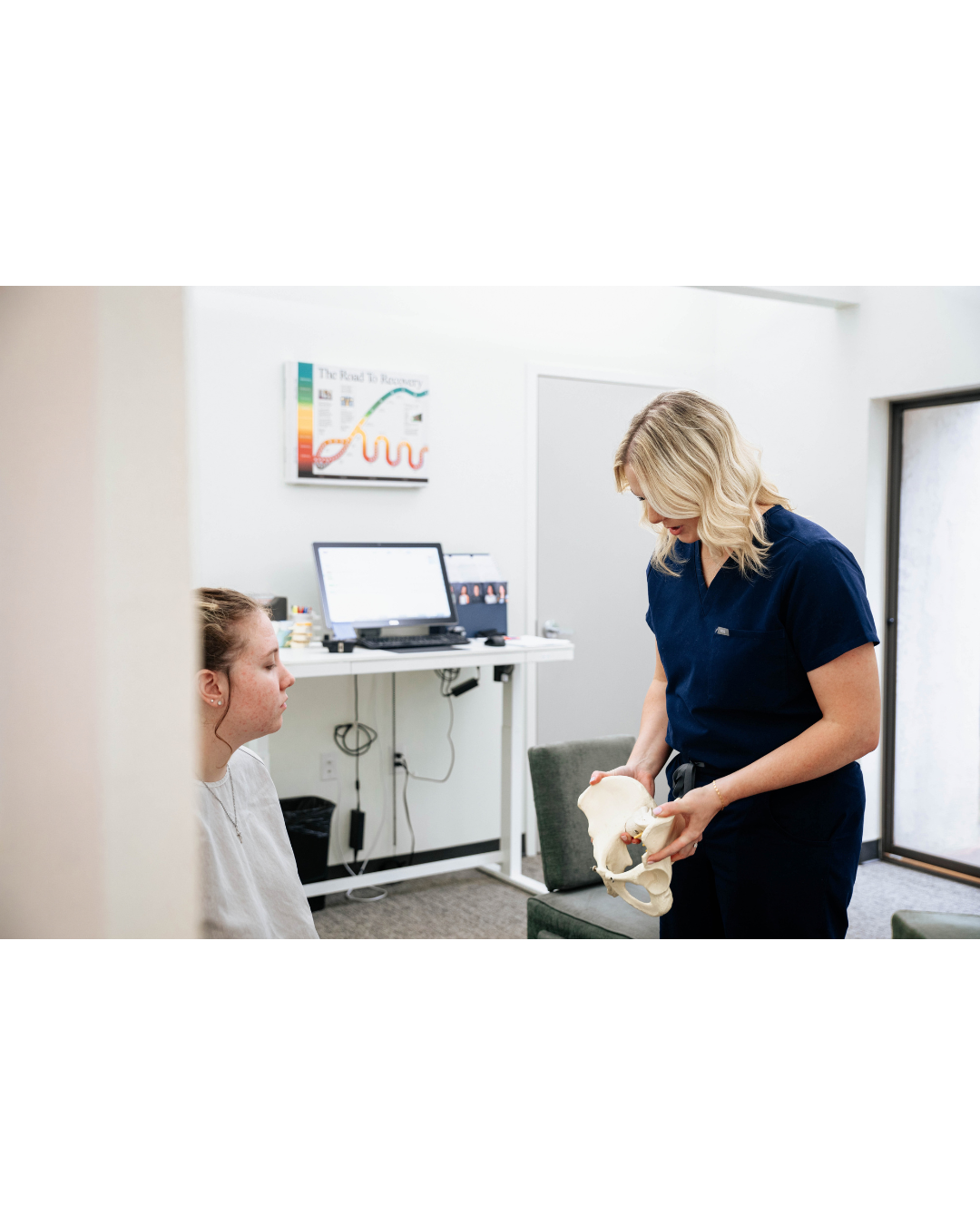
Gonstead Chiropractic + Webster Technique:
Pregnancy brings incredible changes to your body, from shifting posture to changes in your pelvis as your baby grows. While these changes are a natural part of pregnancy, they can also contribute to discomfort, tension, and changes in how you move. Chiropractic care can help support your body's comfort and function throughout this journey.
At Prince Chiropractic, we use the Gonstead Technique and Webster Technique to provide specific, individualized chiropractic care for expecting mothers. By focusing on spinal function and pelvic balance, our goal is to help your body adapt to the physical changes of pregnancy.
What Is the Gonstead Technique?
The Gonstead Technique is a specific approach to chiropractic care that focuses on carefully evaluating the spine to identify areas of dysfunction. Rather than taking a one-size-fits-all approach, Gonstead chiropractors assess each patient's spine to determine where an adjustment may be appropriate.
During pregnancy, changes in posture, weight distribution, and the body's center of gravity can place new demands on the spine and pelvis. These changes may contribute to lower back discomfort, pelvic discomfort, and tension throughout the body.
Gonstead chiropractic care uses specific adjustments based on the findings of an individual examination. For expecting mothers, the approach and positioning are adapted to accommodate the changes of pregnancy, with the goal of supporting healthy spinal movement and overall comfort.
What Is the Webster Technique?
The Webster Technique is a specific chiropractic analysis and adjustment approach commonly used during pregnancy to support pelvic balance and function.
As your baby grows, your body continually adapts to accommodate the added weight and shifting posture. Changes in the pelvis and surrounding structures can contribute to tension and discomfort. The Webster Technique focuses on addressing sacral and pelvic joint dysfunction that may affect how the pelvis functions.
The goal of the adjustment is to reduce the effects of sacral subluxation and sacroiliac (SI) joint dysfunction, helping facilitate healthy neuromusculoskeletal function in the pelvis.
An important distinction: The Webster Technique does not attempt to turn or reposition your baby directly. Instead, it focuses on pelvic function and balance.
Why Combine Gonstead and Webster During Pregnancy?
While the 2 techniques have different areas of focus, they can complement one another as part of an individualized chiropractic care plan.
Gonstead Technique: Focuses on evaluating spinal alignment and function to identify specific areas that may benefit from an adjustment.
Webster Technique: Focuses on pelvic balance and function, with particular consideration for the physical changes that occur during pregnancy.
Together, these approaches allow your chiropractor to consider both spinal and pelvic function when determining what care may be appropriate for you.
Every pregnancy is different, and chiropractic care should reflect those differences. Your care plan should be based on your health history, examination findings, stage of pregnancy, symptoms, and individual needs.

Personalized Pregnancy Chiropractic Care at Prince Chiropractic
At Prince Chiropractic, we understand that no two pregnancies are exactly alike. Our approach combines the specific spinal evaluation of the Gonstead Technique with the pelvic focus of the Webster Technique to help address your individual needs throughout pregnancy.
Whether you're experiencing back discomfort, pelvic tension, or simply have questions about chiropractic care during pregnancy, our goal is to help you understand your options and make informed decisions about your care.
Every pregnancy is unique, and your chiropractic care should be too. If you're interested in learning more about Gonstead and Webster chiropractic care during pregnancy, contact Prince Chiropractic to discuss whether these techniques may be appropriate for you.
