
Spinal Decompression in Oklahoma City, OK
Spinal decompression is a non-surgical treatment used to reduce pressure on spinal discs and irritated nerves in selected patients. At Prince Chiropractic, we use decompression as part of a broader care plan for certain neck pain, back pain, sciatica, disc-related conditions, and radiating arm or leg symptoms after a proper examination.
Not every patient is a candidate for decompression. Treatment recommendations depend on your history, examination findings, and, when appropriate, imaging and clinical correlation.
What Conditions Can Spinal Decompression Help?
Spinal decompression may be recommended as part of care for conditions affecting the discs and nerves of the spine. It is most commonly used for herniated or bulging discs, sciatica or radiating leg pain, chronic low back pain, neck pain with arm symptoms, and degenerative disc changes.
These conditions often involve pressure or irritation of spinal nerves. Decompression is one option used to reduce that pressure when it is clinically appropriate.
How Spinal Decompression Works
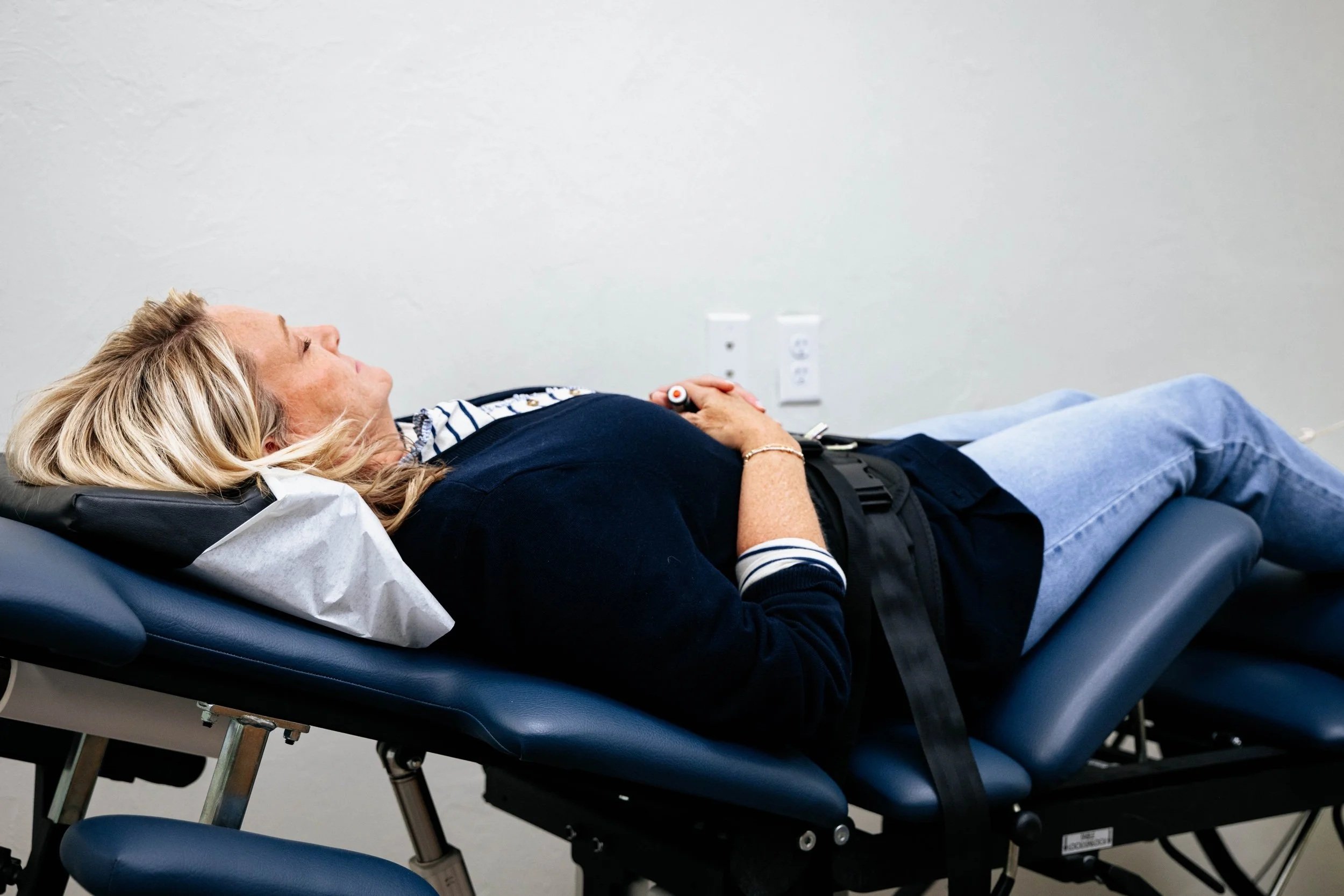
This short video shows how spinal decompression is performed and what to expect during treatment.
Spinal decompression uses a controlled, gentle pulling force to create space within the spine. This can help reduce pressure on discs and nerves, improve movement in the affected area, and support the body’s natural healing process.
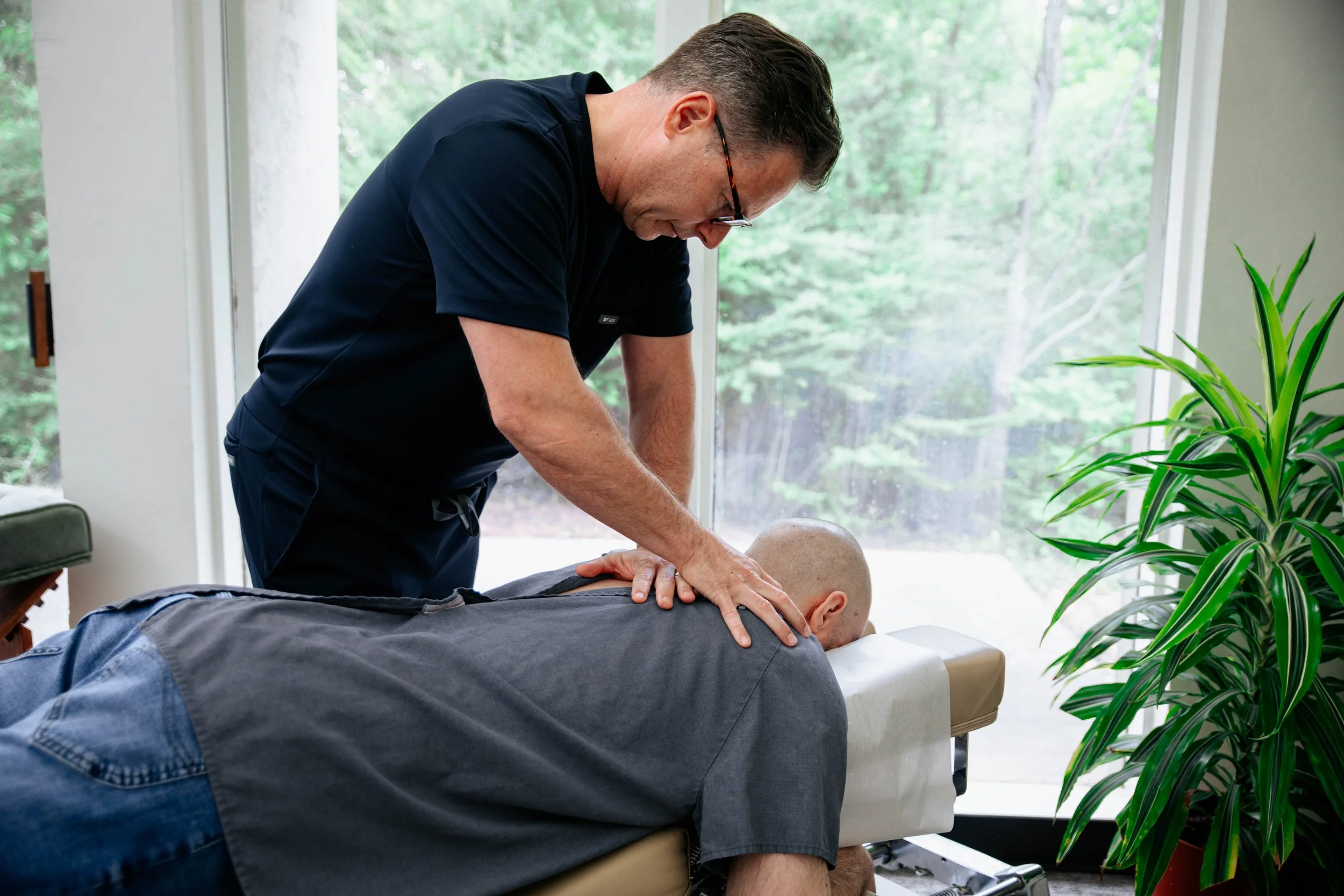
At our office, decompression is not used in isolation. It is combined with chiropractic adjustments and movement-based care to improve overall function and stability.
What It Feels Like
Most patients describe spinal decompression as a gentle stretching sensation in the spine.
Treatment is performed in a controlled setting and is typically well-tolerated. Some patients notice changes in symptoms during or after treatment, while others experience more gradual improvement over time.
Who Is a Candidate for Decompression?
Spinal decompression is not appropriate for every patient.
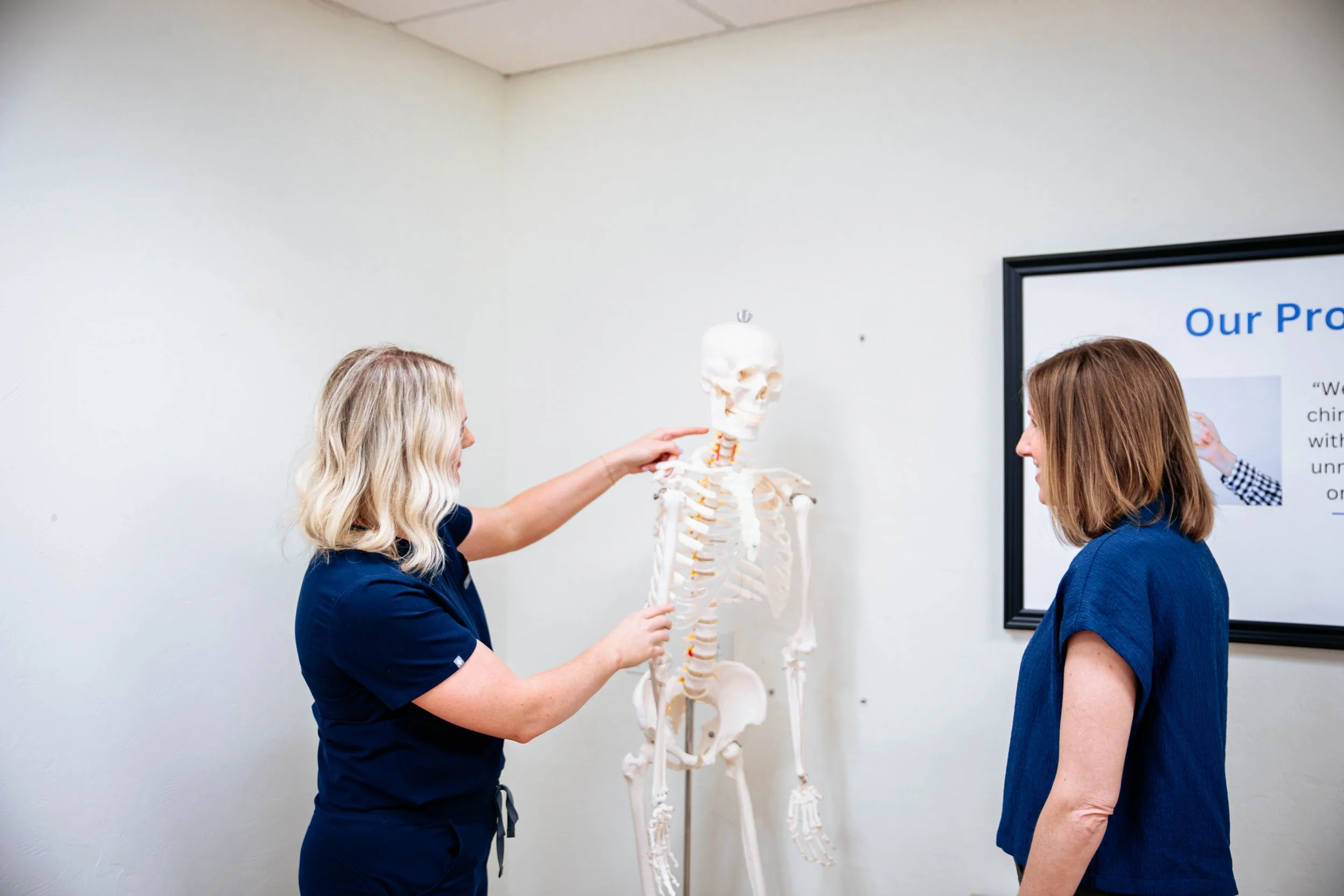
A recommendation is based on your history, examination findings, and clinical correlation with imaging when necessary. If decompression is not the right fit, other treatment options will be recommended based on your specific condition.
How Decompression Fits Into Your Care Plan
Spinal decompression is one part of a comprehensive approach to care.
Your plan may include chiropractic adjustments, movement and stability exercises, and activity modification based on your condition. The goal is not only symptom relief, but improved function and long-term stability.
When to Consider Spinal Decompression
You may be a candidate for decompression if you have persistent back or neck pain, pain traveling into the arms or legs, or disc-related findings that have not improved with basic care.
The best way to determine this is through an in-office evaluation.
Take the Next Step
Schedule a consultation to determine whether spinal decompression is appropriate for your condition and how it fits into your care plan.
Testimonials
-
Back and Leg Pain Gone
Dora couldn’t stand and cook in her kitchen without back and leg pain. She had to use a cane and a walker to get around. She found relief with spinal decompression and walks without the use of a cane or walker.
-
Pain from Spondylolisthesis
Connie experienced severe pain in her buttocks while sitting in church and riding in a car. After undergoing spinal decompression, she can now visit family and attend worship services without pain.
-

Neck & Arm Pain Relief
Pam was involved in a car crash and developed a disc herniation that put pressure on a nerve. Decompression has relieved the pain of her headaches, neck and arm pain following a painful car crash.